
Simple Tips to Help Your Clothes Last Longer
Why Proper Clothing Care Matters
Taking care of your clothes can help them look better, feel more comfortable, and last longer. Small habits, such as washing garments less often, using cooler water, and storing items correctly, can reduce fading, stretching, shrinking, and general wear.
Good clothing care does not have to be complicated. By paying attention to care labels and making a few simple changes to your laundry routine, you can protect your favorite pieces and get more use from everything in your wardrobe.
Read the Care Labels
Care labels provide important instructions for washing, drying, ironing, and cleaning a garment. Before trying a new laundry method, check the label for details such as:
- Recommended water temperature
- Whether the item can be machine washed
- Whether bleach is safe to use
- Whether the garment should be air-dried or tumble-dried
- Whether ironing or professional cleaning is recommended
The symbols may look unfamiliar at first, but they are designed to show the safest way to care for the fabric. When in doubt, choose the gentlest option. A cold wash, mild detergent, and air-drying are often safer than harsh treatment.
Wash Clothes Only When Needed
Washing clothes too frequently can cause unnecessary fading, stretching, and fabric wear. Some items, such as underwear, socks, workout clothes, and clothing worn in hot weather, should be washed after each use. Other garments may only need to be aired out between wears.
Jeans, jackets, sweaters, skirts, and some trousers can often be worn several times before washing, as long as they are not stained or noticeably soiled. Hang these items in a well-ventilated area after wearing them. This allows moisture and odors to dissipate.
If a garment has a small mark, try spot-cleaning it instead of washing the entire item. Use a clean cloth, a small amount of suitable detergent, and gentle pressure. Always test the method on a hidden area first.
Sort Laundry Carefully
Sorting laundry helps prevent color transfer and protects delicate fabrics. At a minimum, separate clothes into light, dark, and bright colors. You may also want to create separate loads for:
- Delicate fabrics
- Towels and bedding
- Heavy items such as jeans or sweatshirts
- Clothes that produce lint
- Clothes that attract lint
Close zippers before washing to keep them from catching on other garments. Fasten hooks and remove belts, pins, and other accessories. Turn dark or printed clothing inside out to help protect the outer surface from friction and fading.
Avoid overloading the washing machine. Clothes need room to move through the water and rinse properly. An overloaded machine can also put extra stress on seams, buttons, and zippers.
Choose the Right Washing Settings
Cool or cold water is usually a good choice for everyday clothing. It can help reduce fading and shrinking while using less energy than hot water. Use warm or hot water only when the care label recommends it or when a garment requires deeper cleaning.
Select a gentle cycle for lightweight or delicate items. Strong cycles may be suitable for sturdy towels and heavily soiled work clothes, but they can be rough on softer fabrics.
Use the recommended amount of detergent. More detergent does not always mean cleaner clothes. Excess detergent can remain in the fabric, making it feel stiff or causing extra rinsing to be needed. A mild detergent is often a good option for delicate or frequently washed garments.
Protect Delicate Clothing
Delicate items need extra care to prevent stretching, snagging, and damage. Place small or fragile garments in mesh laundry bags before washing. This is especially useful for bras, thin tops, hosiery, and clothing with straps.
Hand-wash items when the care label recommends it. Use cool water and a small amount of gentle detergent. Avoid twisting or wringing the fabric, since this can distort its shape. Instead, press out excess water carefully.
For sweaters and other knitted garments, lay them flat on a clean, dry towel. Gently reshape the item while it is damp, then let it dry away from direct heat and sunlight.
Dry Clothes With Care
Drying can have just as much effect on clothing as washing. High heat may shrink some fabrics, weaken elastic, and cause colors to fade. Whenever possible, air-dry clothes on a line, drying rack, or sturdy hanger.
Check the care label before hanging a garment. Some fabrics may stretch if they are hung while wet. Sweaters and heavier knits are usually best dried flat. Lightweight shirts and dresses can often be hung, but use shaped or padded hangers when possible to help prevent shoulder bumps.
Avoid placing damp clothes directly on radiators or other strong heat sources. Rapid heat can damage fibers and may leave garments misshapen. Keep drying clothes out of harsh, direct sunlight if fading is a concern.
If you use a dryer, clean the lint filter regularly and choose a lower heat setting when suitable. Remove clothes promptly when the cycle ends to reduce deep wrinkles.
Iron and Steam Responsibly
Always check the care label before ironing. Use the correct temperature for the fabric, beginning with a lower setting and increasing it only if necessary. Ironing clothes inside out can help protect dark colors, prints, and delicate surfaces.
A steamer can be a gentle alternative for removing wrinkles, but keep it at a safe distance from the fabric. Do not steam items that the care label says should not be exposed to moisture.
To reduce wrinkles naturally, remove clothes from the washer soon after the cycle ends. Shake each garment gently, smooth the seams, and hang or lay it flat to dry.
Store Clothes Properly
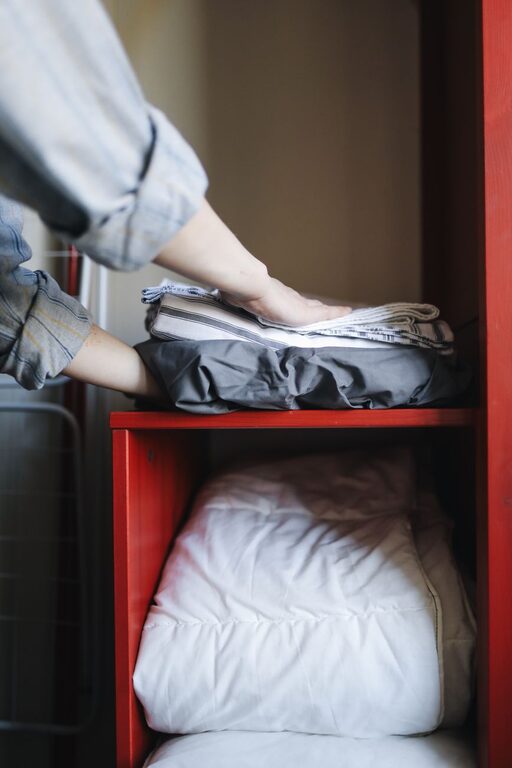
Good storage protects clothes between wears and helps maintain their shape. Make sure garments are clean and completely dry before putting them away. Storing damp or dirty clothes can lead to unpleasant odors, stains, or mildew.
Use hangers that support the shape of each garment. Structured jackets and coats need sturdy hangers, while delicate tops may benefit from padded hangers. Avoid hanging heavy sweaters, as they can stretch at the shoulders. Fold them instead.
Leave enough space between hanging clothes so air can circulate. Crowded closets can cause wrinkles and make it harder to find items without pulling or crushing them.
For seasonal clothing, use breathable storage bags or containers. Avoid sealing natural fabrics in containers that trap moisture. Store clothing in a cool, dry place away from direct sunlight.
Repair Small Problems Early
Minor damage is easier to fix before it becomes worse. Replace loose buttons, repair small tears, and reinforce weak seams as soon as you notice them. Trim loose threads carefully instead of pulling them.
If a zipper is sticking, check for trapped fabric and clean the zipper gently. Do not force it, as this may damage the teeth or pull. Stains should also be treated as soon as possible, following a method suitable for the fabric.
Keep a small repair kit with needles, matching thread, spare buttons, safety pins, and fabric scissors. For valuable or complicated garments, consider asking a skilled tailor or repair professional for help.
Build Better Clothing Habits
A few consistent habits can make clothing care easier:
- Hang or fold clothes after wearing them.
- Empty pockets before laundry day.
- Keep dark and light items separate.
- Use gentle settings for delicate fabrics.
- Air-dry items when practical.
- Clean stains quickly.
- Store clothes only when they are clean and dry.
- Repair small issues before they spread.
Caring for clothes longer is mostly about reducing unnecessary stress on the fabric. By washing thoughtfully, drying gently, storing items properly, and handling small repairs early, you can keep your wardrobe in better condition and enjoy your favorite pieces for much longer.
