
How to Create a Minimalist Bathroom Setup
A minimalist bathroom is simple, practical, and easy to maintain. It does not need to feel empty or plain. Instead, the goal is to create a clean space where every item has a purpose and the overall design feels calm.
Minimalism works especially well in bathrooms because these rooms often have limited space. By reducing clutter, choosing useful storage, and keeping the color palette simple, you can make even a small bathroom feel more open and comfortable.
Start With a Clear Plan
Before buying new products or accessories, take a close look at your bathroom. Notice what works, what creates clutter, and what you use regularly.
Make a list of the items currently stored in the room. Group them into categories such as:
– Daily essentials
– Cleaning products
– Towels and linens
– Personal care items
– Decorative accessories
– Items that belong elsewhere
Remove empty containers, expired products, duplicates, and items you rarely use. If something is not useful in the bathroom, move it to another room or consider donating it.
A clear plan helps prevent unnecessary purchases. Minimalism is not about buying a new collection of matching products. It is about making thoughtful choices with what you already have.
Choose a Simple Color Palette
A limited color palette can make a bathroom feel more organized. White, cream, soft gray, beige, and light natural colors are common choices for a minimalist look. These shades reflect light and help the room appear more spacious.
You can also use darker colors if you prefer a warmer or more dramatic style. The key is to keep the number of colors limited and use them consistently.
Consider selecting:
– One main wall or tile color
– One or two accent colors
– A consistent finish for fixtures
– Natural materials for warmth
For example, white walls, light wood storage, and matte black fixtures create a simple but balanced look. Another option is a soft gray palette with brushed metal and white towels.
Avoid using too many patterns or competing finishes. A calm background allows a few carefully chosen details to stand out.
Keep Only the Essentials on Display
Open surfaces are one of the most important parts of a minimalist bathroom. Countertops, shelves, and the edge of the bathtub can quickly become crowded with bottles and accessories.
Keep only the items you use every day in visible areas. This might include hand soap, a toothbrush holder, and one small tray. Store less frequently used products in drawers, cabinets, or baskets.
A tray can help group small items together and make the countertop look more intentional. Choose a tray that is easy to clean and fits the style of the room.
Try to avoid storing extra products in plain sight. Large collections of bottles can make the space feel busy, even when the rest of the room is tidy.
Use Smart Storage
Good storage is essential for creating a minimalist bathroom. The best storage solutions keep items accessible without making them visible all the time.
Use Drawers and Cabinets
Drawers are useful for organizing smaller items such as grooming tools, skincare products, and hair accessories. Use simple dividers or small containers to keep each category in place.
Cabinets can hold cleaning supplies, spare toiletries, and extra towels. Store frequently used items near the front and less-used items farther back.
If you have a vanity, make full use of the vertical space inside it. Adjustable shelves can make room for taller bottles and containers.
Add Baskets and Containers
Baskets are practical for towels, toilet paper, and larger items. Choose a few matching or coordinating baskets instead of using many different styles.
Clear containers can be helpful for items such as cotton swabs, bath salts, or small accessories. They make it easy to see what you have and avoid buying duplicates.
Use labels only when they improve organization. Too many labels can add visual clutter, so keep them simple and consistent.
Make Use of Vertical Space
Wall-mounted shelves, hooks, and narrow cabinets can add storage without taking up much floor space. A simple shelf above the toilet or beside the sink may be enough for folded towels and a few useful items.
Hooks are often more practical than towel bars in small bathrooms. Install them at a comfortable height and avoid adding more hooks than you need.
Select Functional Fixtures
Minimalist design should support everyday use. Choose bathroom fixtures that are simple, durable, and easy to clean.
A wall-mounted sink or floating vanity can make the floor appear more open. A frameless mirror or a mirror with a thin frame can also create a clean visual effect.
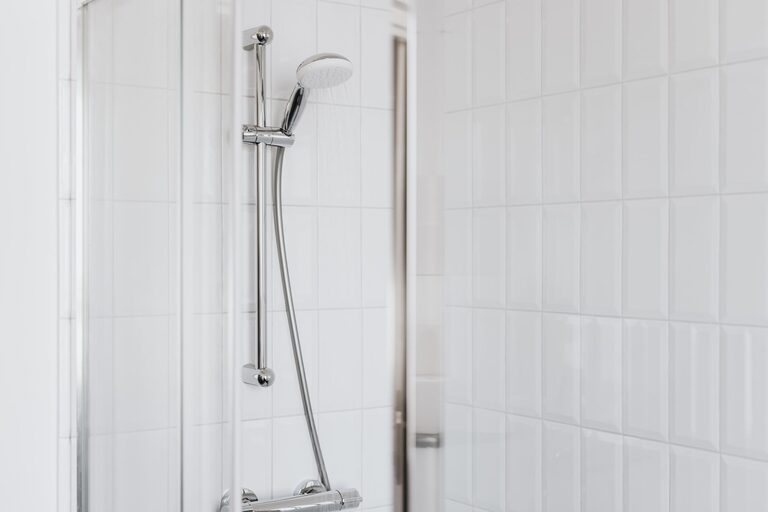
When selecting faucets, shower fittings, or cabinet handles, choose one finish and use it consistently. Common options include chrome, brushed nickel, matte black, and brass.
The best choice depends on your existing fixtures and personal style. Matching finishes usually create a more unified appearance, while mixed finishes can make the room feel less coordinated.
Choose Textiles Carefully
Towels, bath mats, and shower curtains can add comfort without overwhelming the room. Select textiles in solid colors or subtle patterns that work with the rest of your palette.
A small collection of quality towels is usually more useful than a large stack. Keep the colors consistent, and fold or roll towels neatly in a cabinet or basket.
Choose a bath mat that dries quickly and is easy to wash. If the bathroom is small, a compact mat may be more practical than a large one that covers too much of the floor.
To maintain a clean look, avoid leaving damp towels on the floor or over several surfaces. Install enough hooks or bars so towels have a designated place to dry.
Add a Small Amount of Decor
A minimalist bathroom can include decoration, but each piece should have a purpose or contribute to the atmosphere.
Consider adding:
– A small plant that suits the room’s light and humidity
– One framed print
– A simple ceramic container
– A natural wood stool
– A single decorative vase
Choose one or two accents rather than filling every empty surface. Natural materials such as wood, stone, ceramic, and woven fibers can make the bathroom feel warm without adding visual noise.
Be sure that decorative items can handle moisture and are easy to clean. Avoid placing delicate objects where they may be damaged by water.
Improve Lighting
Good lighting makes a bathroom feel more comfortable and helps maintain a clean, spacious appearance. Use the existing natural light as much as possible by keeping windows clear and choosing light-colored window coverings.
If the bathroom needs additional lighting, combine general lighting with focused lighting around the mirror. A fixture on each side of the mirror can reduce shadows and provide more even illumination.
Choose bulbs with a comfortable color temperature. Very cool lighting can feel harsh, while warm lighting can make it harder to see details. A balanced, natural-looking light is often the most versatile choice.
Keep light fixtures simple and proportional to the room. Oversized or highly decorative fixtures can distract from the minimalist design.
Create a Simple Cleaning Routine
A minimalist bathroom is easier to clean when surfaces are clear and products are organized. Set aside a few minutes each day to wipe the sink, return items to their storage areas, and hang towels properly.
Once a week, clean the mirror, toilet, shower, floors, and frequently touched handles. Check cabinets regularly and remove products that are empty or no longer needed.
A short routine helps prevent buildup and keeps the room looking polished. It also makes it easier to notice small repairs, such as a dripping faucet, loose handle, or damaged seal.
Maintain the Setup Over Time
Minimalism requires occasional review. New products can slowly collect, and storage areas can become crowded again.
Every few months, check whether each item still belongs in the bathroom. Replace products only when necessary, and avoid storing large backups unless you have enough space.
When adding something new, consider removing or relocating something else. This simple habit helps preserve open surfaces and keeps the bathroom functional.
A successful minimalist bathroom is not defined by a strict style. It is a space that feels organized, comfortable, and easy to use. With a simple palette, useful storage, clear surfaces, and a few thoughtful details, you can create a bathroom that feels calm without sacrificing practicality.
