
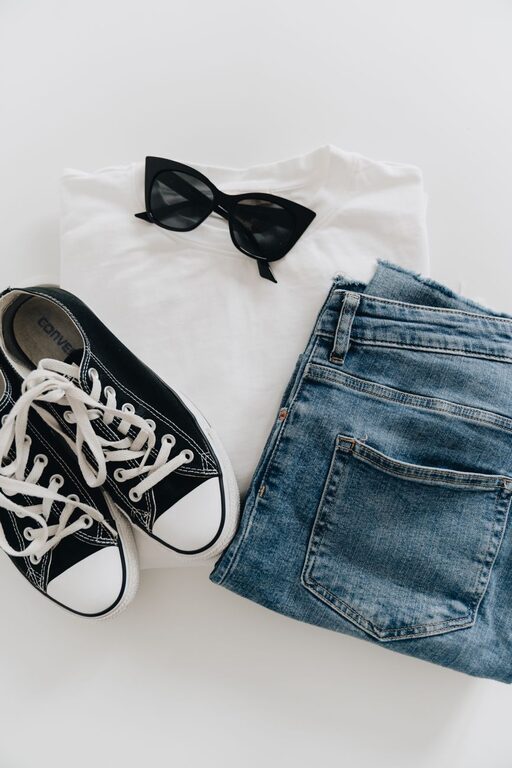
How to Build a Basic Capsule Wardrobe
A capsule wardrobe is a small collection of clothing that works well together. Instead of filling your closet with pieces you rarely wear, you choose versatile items that suit your daily life, personal style, and local climate.
Building a capsule wardrobe does not mean following strict fashion rules or owning a specific number of items. The goal is to make getting dressed easier while keeping the clothes you own useful and enjoyable.
What Is a Capsule Wardrobe?
A capsule wardrobe is a carefully selected group of clothing, shoes, and accessories that can be mixed and matched to create many outfits. It often includes everyday basics, a few seasonal items, and several pieces that add personality.
A basic capsule wardrobe may include:
– Tops for casual and polished outfits
– Bottoms in coordinating colors
– A dress or two, if they suit your lifestyle
– Layers such as sweaters, cardigans, or jackets
– Comfortable everyday shoes
– A coat or outer layer appropriate for the weather
– A small selection of accessories
The best capsule wardrobe is different for everyone. Someone who works from home may need mostly casual clothing, while someone who works in an office may need more polished outfits.
Step 1: Review Your Current Wardrobe
Before buying anything, look at the clothes you already own. A wardrobe review helps you understand what you wear often, what fits your lifestyle, and what may be missing.
Take everything out of your closet and group items into simple categories:
– Keep and wear regularly
– Keep but wear occasionally
– Repair or alter
– Donate or resell
– Recycle responsibly if the item is no longer usable
As you sort, ask yourself:
– Does this fit comfortably?
– Have I worn it in the past year?
– Does it suit my current lifestyle?
– Can I create at least two or three outfits with it?
– Do I like how I feel when I wear it?
Try not to keep items only because they were expensive or might become useful someday. If something does not fit your life now, it may be taking up valuable space.
Step 2: Consider Your Lifestyle
Your capsule wardrobe should reflect your real routine, not an imaginary one. Think about the activities you do most often during a typical week.
Consider how often you:
– Work in an office or from home
– Attend social events
– Exercise
– Travel
– Spend time outdoors
– Dress casually or formally
– Need clothing for special occasions
For example, a person who spends most days in casual settings may need jeans, soft tops, sneakers, and relaxed layers. Someone with a business casual schedule may need trousers, button-down shirts, knitwear, and loafers.
Write down the types of outfits you need most. This list will help you avoid buying clothing that looks appealing but does not serve a practical purpose.
Step 3: Choose a Simple Color Palette
A coordinated color palette makes mixing and matching much easier. Start with two or three neutral colors, such as:
– Black
– White
– Gray
– Navy
– Beige
– Brown
– Denim
Then add one or two accent colors that you enjoy wearing. These might include green, red, blue, yellow, or another shade that complements your existing clothes.
Your palette does not have to be strict. Patterns, prints, and bright colors can work well in a capsule wardrobe when they coordinate with several other pieces.
A useful approach is to choose neutral colors for larger items, such as pants, coats, and shoes, and use accent colors for tops, scarves, bags, or other smaller items.
Step 4: Identify Your Core Pieces
Core pieces form the foundation of your wardrobe. They should be comfortable, practical, and easy to combine with other items.
A basic collection might include:
Tops
Choose a mix of everyday and slightly polished tops. Depending on your lifestyle, this could include:
– Two or three T-shirts
– One or two long-sleeve shirts
– A button-down shirt or blouse
– A sweater or knit top
– One versatile top for dressier occasions
Look for colors and shapes that work with most of your bottoms.
Bottoms
Select bottoms that fit comfortably and suit your daily activities. Options may include:
– One pair of jeans
– One pair of casual trousers
– One pair of polished trousers
– A skirt or shorts, if you wear them
– Comfortable clothing for relaxed days
You do not need every category. Choose the items you will actually wear.
Layers
Layers help extend your wardrobe across different temperatures and outfit types. Consider:
– A cardigan
– A lightweight jacket
– A structured blazer
– A casual overshirt
– A warm sweater
A neutral layer can turn a simple outfit into a more complete look.
Dresses and One-Piece Outfits
If dresses or jumpsuits fit your style, choose one or two versatile options. A simple design can work with sneakers for daytime or more polished shoes for an evening event.
Shoes
Choose shoes based on comfort, climate, and routine. A basic selection may include:
– Everyday sneakers
– Comfortable flats or loafers
– Boots or weather-appropriate shoes
– Dressier shoes for special occasions
The right shoes can change the feel of an outfit, so choose pairs that work with several clothing combinations.
Step 5: Focus on Fit and Comfort
A capsule wardrobe works best when you enjoy wearing the clothes in it. Pay attention to fit, fabric, movement, and care requirements.
A well-fitting item does not have to follow a particular trend. It should allow you to move comfortably and make you feel confident. If an item is almost right but needs a small adjustment, consider having it tailored.
Also check the clothing labels. If you dislike hand washing or frequent ironing, avoid building your wardrobe around items that require more care than you are willing to provide.
Step 6: Build Outfits Before Shopping
Before adding new pieces, create several outfits from your current wardrobe. Lay items together or take photos of combinations you like.
Try to create outfits for different situations, such as:
– A typical workday
– A casual weekend
– A dinner or social event
– A cool or rainy day
– A warm-weather outing
– A travel day
If one item works with many outfits, it is likely a strong capsule piece. If an item only works with one specific combination, consider whether it is worth keeping or buying.
Step 7: Shop With a Specific List
Once you identify gaps, make a short shopping list. Avoid shopping by impulse or buying several similar items at once.
A useful shopping list might say:
– A navy cardigan that fits over existing tops
– Comfortable black trousers
– A lightweight jacket for spring
– Neutral sneakers for everyday wear
Before purchasing, ask:
– Does this work with at least three items I own?
– Can I wear it in more than one setting?
– Is the fit comfortable?
– Does the color suit my palette?
– Will I want to wear it regularly?
– Is the quality appropriate for how often I plan to use it?
Waiting a few days before buying can help you decide whether the item fills a real need.
Step 8: Organize and Maintain Your Wardrobe
A clear organization system makes your capsule wardrobe easier to use. Arrange clothing by category, color, or outfit type. Keep frequently worn items easy to reach and store seasonal pieces separately when needed.
Maintain your wardrobe by:
– Repairing loose buttons and small tears
– Following care instructions
– Cleaning shoes regularly
– Folding knitwear to help prevent stretching
– Rotating clothing so all suitable items get used
– Reviewing your wardrobe at the start of each season
You can also keep a simple list of what you own. This is helpful when shopping because it reduces duplicate purchases.
Final Thoughts
A basic capsule wardrobe is less about owning as little as possible and more about owning clothing that works well for you. Start with what you have, understand your routine, choose a practical color palette, and add new pieces slowly.
Your wardrobe can change as your lifestyle, preferences, and the seasons change. The most successful capsule wardrobe is one that makes daily dressing simpler while leaving room for comfort, creativity, and personal style.
